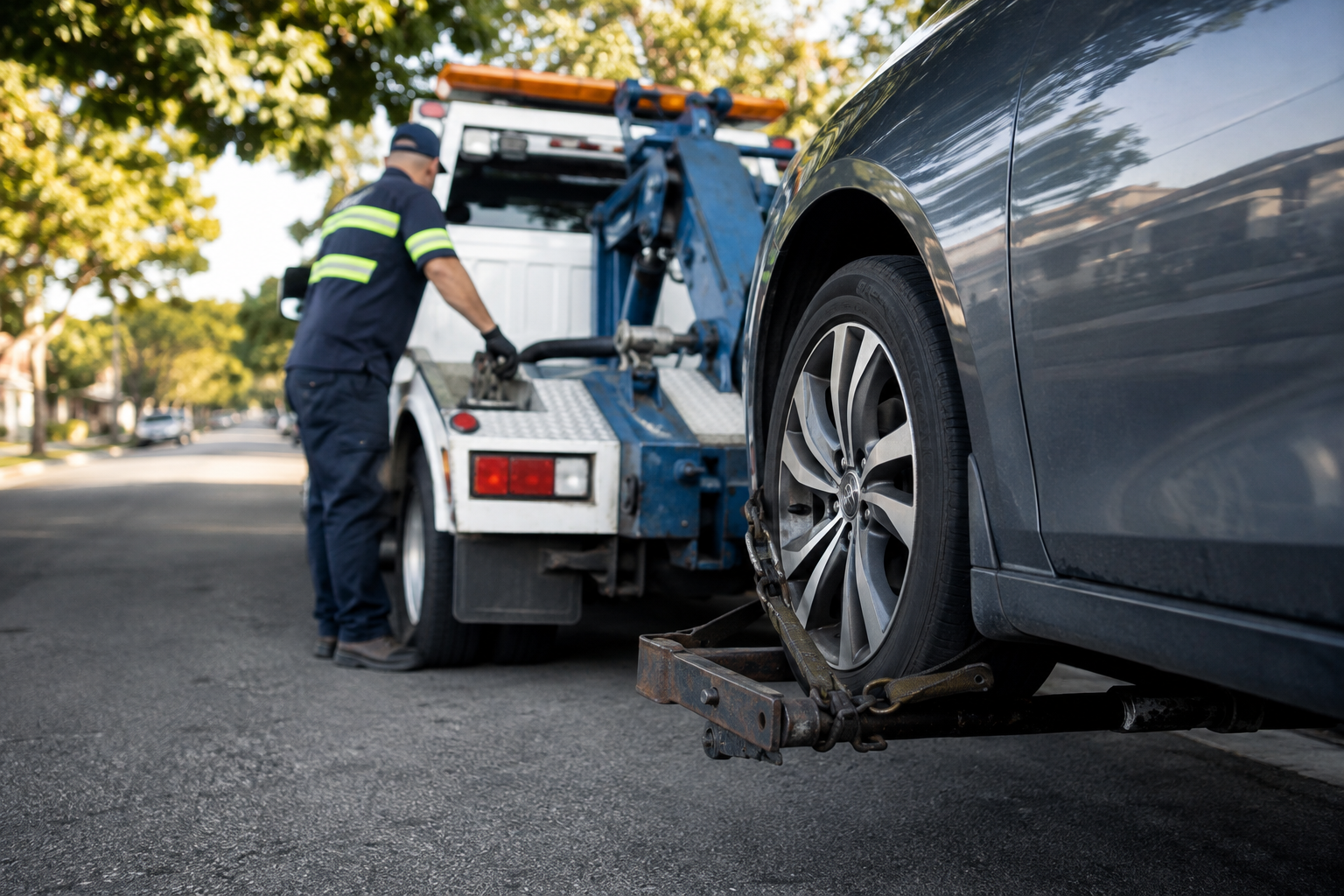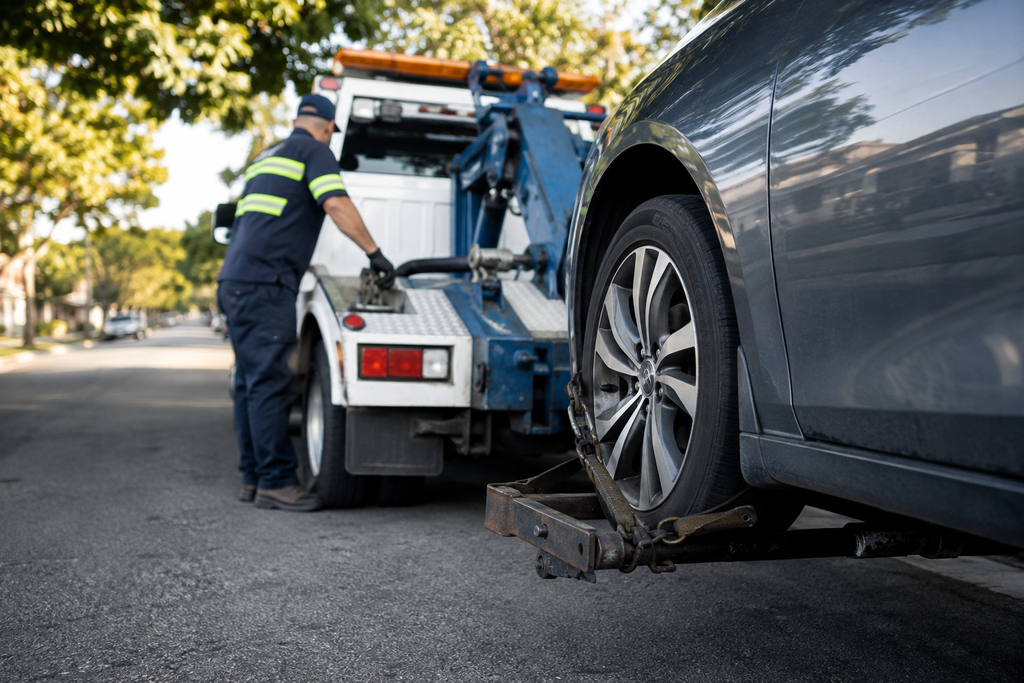
Finding out that your car has been repossessed can be shocking—especially when you received no phone call, letter, or warning beforehand. Many borrowers assume that a lender must notify them before sending a repossession company to take their vehicle.
But that is not always the case.
In many U.S. states, a lender may be able to repossess a vehicle without advance warning and without first obtaining a court order once the borrower is legally in default. However, lenders and repossession companies still have rules they must follow, and state law can provide additional protections.
Here is what you should know about your rights if your car was repossessed without warning.

Can Your Car Really Be Repossessed Without Notice?
Yes. In many states, your lender may repossess your vehicle without giving you advance notice once you default on your auto loan or lease.
Default is usually defined by your financing agreement. Missing a payment is one of the most common causes, but your contract may identify other circumstances that constitute default.
This means a repo agent could potentially take your vehicle from an accessible location without calling you first.
However, repossession laws are not identical across the country. Some states require lenders to provide borrowers with certain notices or opportunities to cure a default before repossession.
That makes your state’s repossession law and your financing contract particularly important.
Does a Lender Need a Court Order?
Usually, not necessarily.
Vehicle loans are generally secured transactions, meaning the vehicle serves as collateral for the debt.
Under Article 9 of the Uniform Commercial Code (UCC), a secured creditor may take possession of collateral after default. The creditor can use a judicial process, but it may also proceed without one if the repossession occurs without a breach of the peace.
This process is commonly called self-help repossession.
Therefore, seeing no lawsuit or court order before your car disappeared does not automatically mean the repossession was illegal.
There are exceptions, however, including special protections that may apply to certain active-duty servicemembers.
How Soon After a Missed Payment Can Your Car Be Repossessed?
There is no universal rule saying that every lender must wait 30, 60, or 90 days.
Your loan agreement and applicable state law matter.
A lender may technically consider the account in default after a missed payment if the contract allows it, although lenders’ actual collection and repossession practices vary.
Do not assume that a payment’s grace period automatically prevents repossession. A contractual grace period for a late fee and the rules determining when your loan is considered in default are not necessarily the same thing.
If you know that you will miss a payment, contacting your lender before the situation escalates may give you more options.
What Can a Repo Man Do Without Warning?
Even when advance notice is not required, a repo agent does not receive unlimited authority to recover your vehicle.
A repossession company may generally attempt to recover a vehicle from an accessible location when legally authorized to do so.
The critical limitation is that a nonjudicial repossession must occur without breaching the peace.
What qualifies as a breach of the peace can depend on state law and the circumstances. Conduct involving physical force, threats of force, or taking a vehicle from a closed garage without permission can raise serious legal issues.
For example, taking an accessible vehicle from a driveway may be treated very differently from forcing open a locked garage to reach it.
You should never physically confront a repo agent. If you believe illegal conduct occurred, prioritize your safety and document the incident instead.
What If You Already Made the Payment?
This is an important distinction.
A lender’s ability to repossess without advance warning does not mean that every no-warning repossession is lawful.
Errors can occur.
For example, a repossession could potentially be wrongful if the lender failed to properly record your payment or did not cancel an outstanding repossession order after approving a deferment, extension, modification, or payment arrangement.
Federal regulators have previously identified wrongful auto repossessions involving servicing errors, including vehicles taken after consumers made payments or received extensions that should have prevented repossession.
If you believe this happened to you, preserve evidence immediately.
Keep payment confirmations, bank statements, emails, text messages, screenshots of your account, and copies of any written payment arrangements.
What Happens to Your Belongings Inside the Car?
Repossession of the vehicle does not normally mean that unrelated personal property inside the vehicle becomes the lender’s property.
If your wallet, documents, work equipment, clothing, child items, electronics, or other belongings were inside the car, contact the lender or repossession company promptly.
Create a written inventory of everything that was inside and document the approximate value of important items.
Rules concerning storage, notification, retrieval procedures, and fees can vary by state.
If the repossession company refuses to return your belongings or demands questionable fees before releasing them, consider checking your state’s consumer-protection rules or seeking legal advice.
Will You Receive Notice After the Repossession?
Even when advance warning was not required, you may have important post-repossession notice rights.
Your lender generally cannot simply take the car, sell it, and provide no information about what happens next.
Before a repossessed vehicle is sold or retained in satisfaction of the debt, applicable law generally requires notification to the debtor.
That notice can be extremely important because you may have an opportunity to redeem the vehicle before it is sold.
Some states may provide additional rights to cure or reinstate the loan.
Act quickly after receiving any repossession notice because these rights can have deadlines.
Can You Still Owe Money After the Car Is Taken?
Yes.
Repossession does not necessarily eliminate the auto loan.
If your lender sells the vehicle and the proceeds are insufficient to cover the applicable debt and permitted expenses, you could potentially owe a deficiency balance.
For example, if the applicable balance and expenses total $16,000 and the vehicle generates $12,000 toward that amount, there may be a remaining balance.
State law and the circumstances of the sale can affect what the lender may recover.
This is another reason you should keep every document you receive after repossession.
What Should You Do If Your Car Was Repossessed Without Warning?
First contact your lender or servicer. Confirm why the vehicle was repossessed.
Ask for information about the status of your account the repossession, where the vehicle is being held how you can retrieve your belongings and whether you have options to recover the car.
Then review your loan agreement and your states repossession laws.
If you believe the repossession was a mistake gather evidence showing your payment history or any agreement you had with the lender and dispute the issue promptly in writing.
You may also consider contacting your state attorney general or consumer-protection agency submitting a consumer complaint where appropriate or speaking with an attorney, with auto repossession law.
The Bottom Line
So, can a repo man take your car without warning?
In many states, yes. Once you are legally in default, a lender may be able to repossess a vehicle without giving advance notice or obtaining a court order.
But that does not mean the repo company can do whatever it wants.
The repossession must comply with applicable law, including restrictions on breaching the peace, and borrowers may have important rights concerning personal belongings, notices, redemption, reinstatement, vehicle sales, and deficiency balances.
Most importantly, repossession laws vary by state. If your car was taken unexpectedly, determine exactly why the repossession occurred and check the protections available where you live.
This article provides general educational information and does not constitute legal advice. Vehicle repossession laws vary by state and individual circumstances. If you need advice regarding a specific repossession, consider consulting a qualified attorney in your jurisdiction.